What Comes After a Child's Diagnosis? Next Steps for Parents
Learn how families can move from diagnosis to action by using evaluation results to identify strengths, prioritize needs, and choose the right support for their child.
Learn how families can move from diagnosis to action by using evaluation results to identify strengths, prioritize needs, and choose the right support for their child.
Learn how The Advocacy Circle helps parents navigate IEP meetings, evaluations, school documentation, and special education decisions with tools, guidance, and support.
Learn how functional vision problems can look like ADHD symptoms and why a vision evaluation may help explain reading struggles, fatigue, avoidance, and attention challenges.
Learn why kids with ADHD often struggle with homework, organization, impulse control, and follow-through, and how executive function coaching can help build practical skills.
 Megan Pinchback, MBA, LDT, CALT
Receiving a dyslexia diagnosis is just the beginning. Learn what effective dyslexia therapy looks like, how intensity impacts progress, and how to choose the right provider.
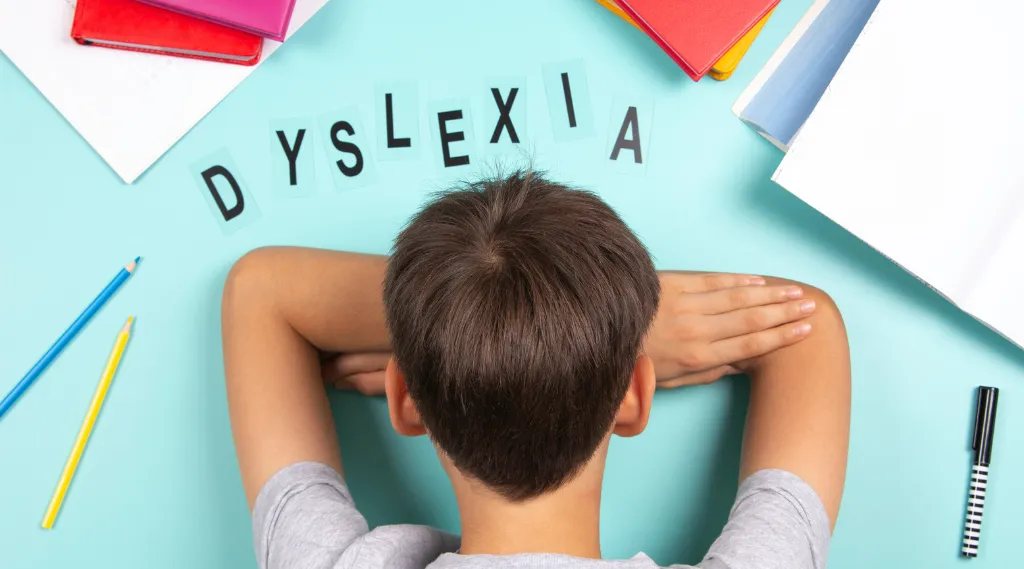
When a child struggles with reading, it’s not always easy to identify the cause. Dyslexia and visual processing disorder can appear similar but stem from very different challenges. In this post, learn the key similarities, important differences, and why accurate identification matters for effective support and accommodations. Discover how the right evaluation can help students succeed with confidence.