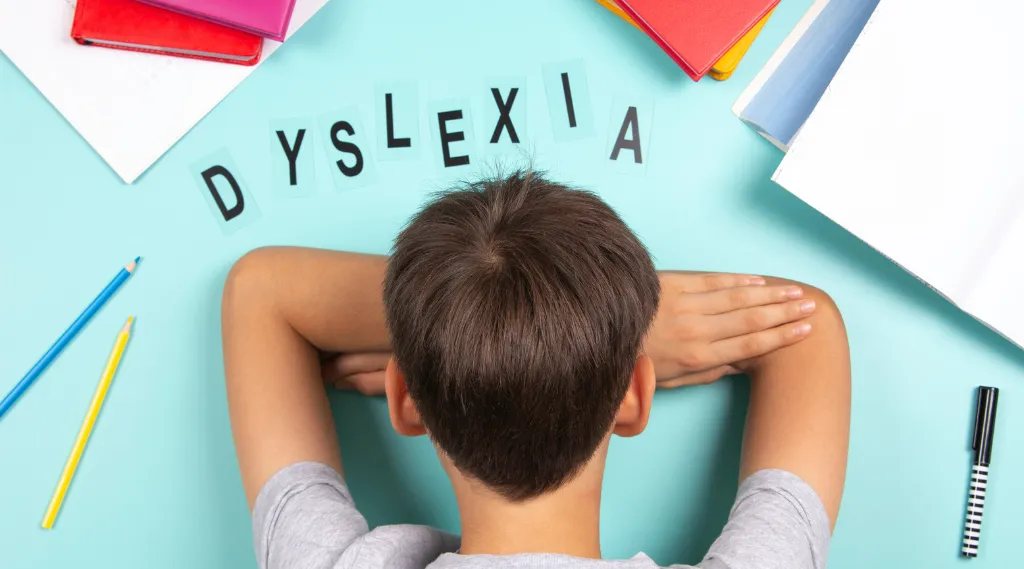
Dyslexia vs. Visual Processing Disorder: Understanding the Similarities and Differences
Dyslexia vs. Visual Processing Disorder: Understanding the Similarities and Differences
When a child struggles with reading, writing, or interpreting visual information, it can be
challenging to determine the root cause. Two conditions that are often confused are
dyslexia and visual processing disorder (VPD). While they can appear similar on the
surface—especially in how they impact reading—they are fundamentally different in
origin and require different approaches for support. Understanding these similarities and
differences is essential for parents, educators, and professionals working to help
students succeed.
What is Dyslexia?
Dyslexia is a language-based learning disability that primarily affects reading. It stems
from difficulties with phonological processing, or the ability to recognize and manipulate
the sounds within words. Individuals with dyslexia often struggle with decoding
(sounding out words), spelling, and reading fluency. Despite these challenges, dyslexia
is not related to intelligence, and many individuals with dyslexia are highly capable
learners when provided with appropriate instruction.
What is Visual Processing Disorder?
Visual processing disorder, on the other hand, is not related to eyesight but to how the
brain interprets visual information. A person with VPD can see clearly but may have
difficulty understanding or organizing what they see. This can affect skills such as
recognizing shapes, remembering visual information, tracking text on a page, or
distinguishing between similar-looking letters or words.
Key Similarities
At first glance, dyslexia and visual processing disorder can look very similar, particularly
in a classroom setting. Both can lead to:
Difficulty with reading
Problems with spelling and writing
Confusion with letters or words
Slow or effortful academic performance
Frustration or avoidance of reading tasks
Because of these overlapping characteristics, it is not uncommon for one condition to be
mistaken for the other, or for both to be suspected when a child is struggling.
Important Differences
Despite these similarities, the underlying causes of dyslexia and VPD are quite different.
Source of Difficulty: Dyslexia is rooted in language processing, specifically phonological awareness. VPD involves challenges in visual interpretation and spatial processing.
Reading Errors: A student with dyslexia may misread words based on sound patterns (e.g., guessing or substituting words), while a student with VPD may lose their place, skip lines, or confuse visually similar letters like “b” and “d.”
Response to Intervention: Dyslexia responds best to structured literacy instruction that emphasizes phonics and sound-symbol relationships. VPD may benefit more from visual supports, such as graphic organizers, spacing adjustments, or strategies that reduce visual clutter.
Associated Skills: Dyslexia often impacts spelling, decoding, and reading fluency. VPD may also affect tasks like copying from the board, understanding maps or charts, and visual memory.
Can Someone Have Both?
Yes, it is possible for an individual to have both dyslexia and a visual processing
disorder. When this occurs, the challenges may be more complex and require a
combination of interventions targeting both language and visual processing skills.
Why Accurate Identification Matters
Misidentifying dyslexia as a visual issue—or vice versa—can lead to ineffective
interventions. For example, vision therapy alone will not address phonological deficits in
dyslexia, just as phonics instruction alone may not fully support a child with significant
visual processing challenges. A comprehensive evaluation is key to determining the
specific areas of difficulty and guiding appropriate support.
Supporting Students Effectively
For dyslexia, evidence-based reading instruction that is explicit, systematic, and
multisensory is critical. For visual processing disorder, accommodations such as
reducing visual distractions, using larger print, providing step-by-step visual instructions,
and allowing extra time can be helpful.
Ultimately, both conditions require patience, understanding, and individualized support.
With the right strategies in place, students with dyslexia or visual processing disorder
can thrive academically and build confidence in their abilities.
Final Thoughts
While dyslexia and visual processing disorder may share some outward signs, they are
distinct in their causes and the ways they impact learning. Recognizing these
differences allows for more targeted interventions and better outcomes. By focusing on each learner’s unique needs, we can ensure they receive the tools and support
necessary to succeed.
Lori Wilkinson M.Ed., NCED


